
01
Automotive & New Energy Vehicles
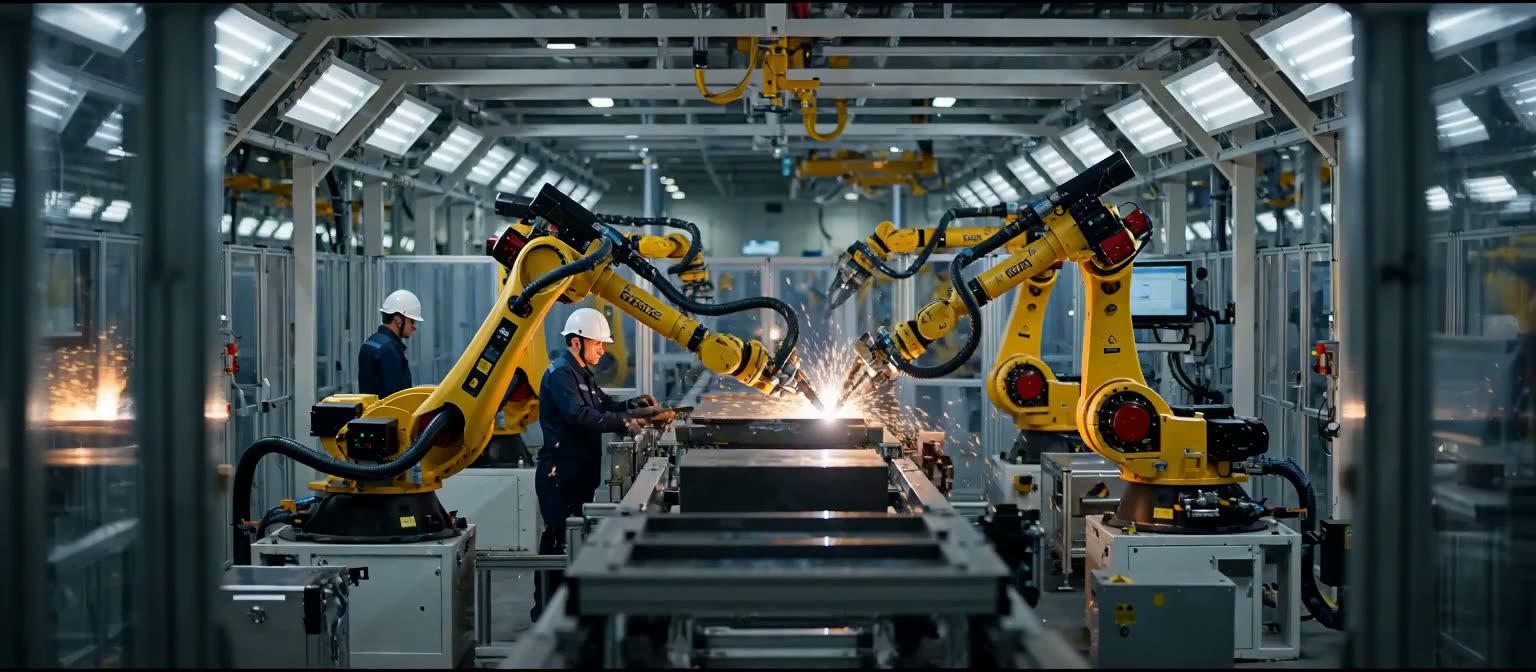
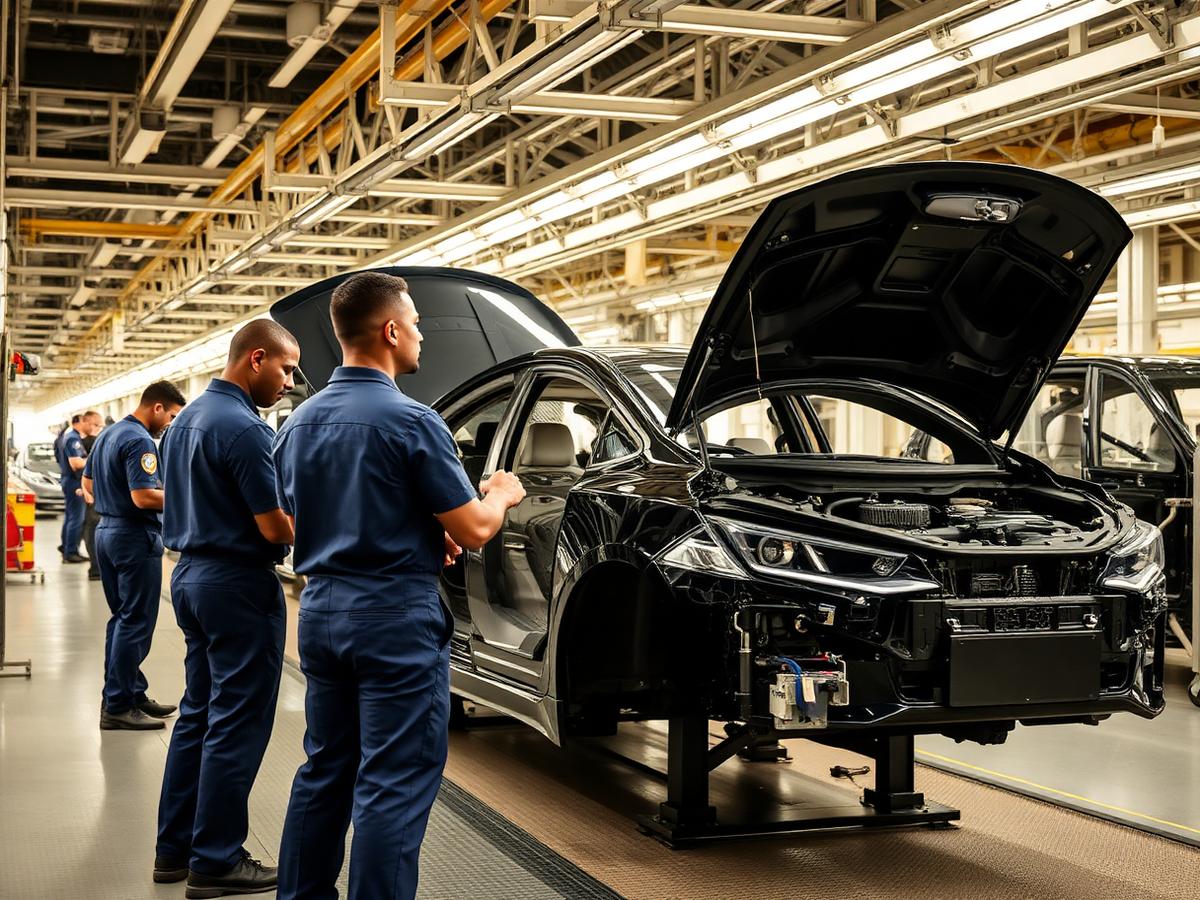
Established assembly capacity in Tshwane and Gqeberha, with component localisation identified as the principal opportunity for new entrants.
Sectors
Each sector is assessed on established capacity, available inputs and the gap that a new entrant would be filling.
Established assembly capacity in Tshwane and Gqeberha, with component localisation identified as the principal opportunity for new entrants.
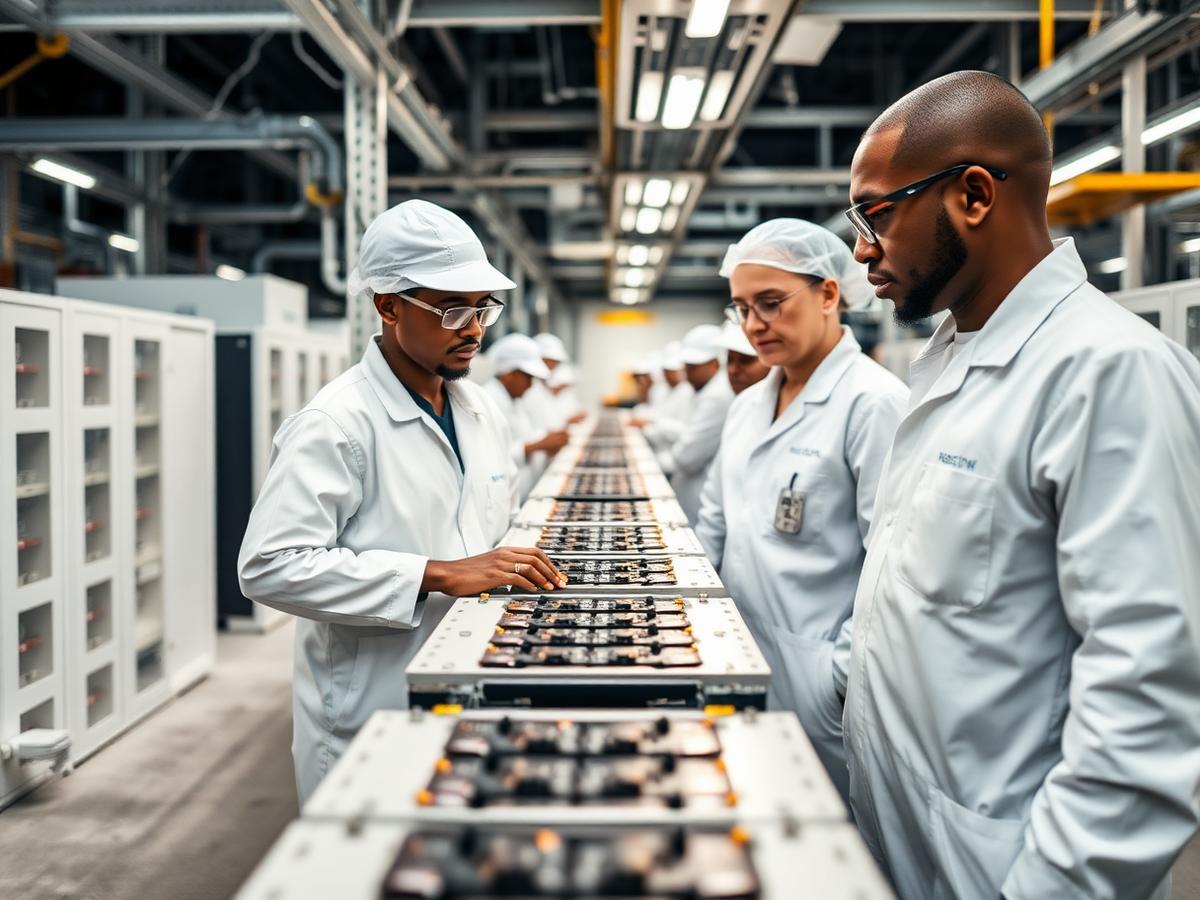
Regional access to copper, cobalt and manganese, with limited midstream cell and pack manufacturing currently established in the region.
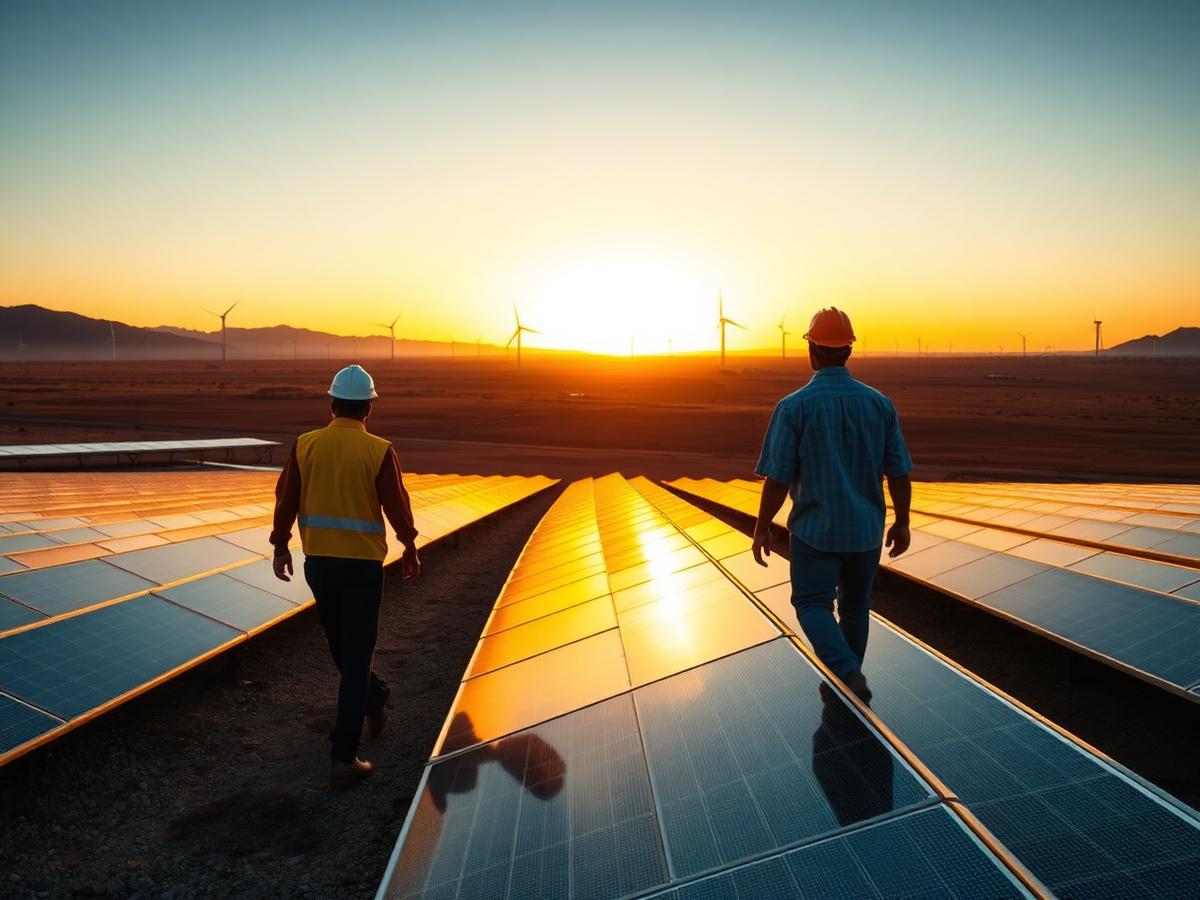
High solar and wind resource in the Northern Cape and on the Namibian coast, supported by port infrastructure capable of handling ammonia export.
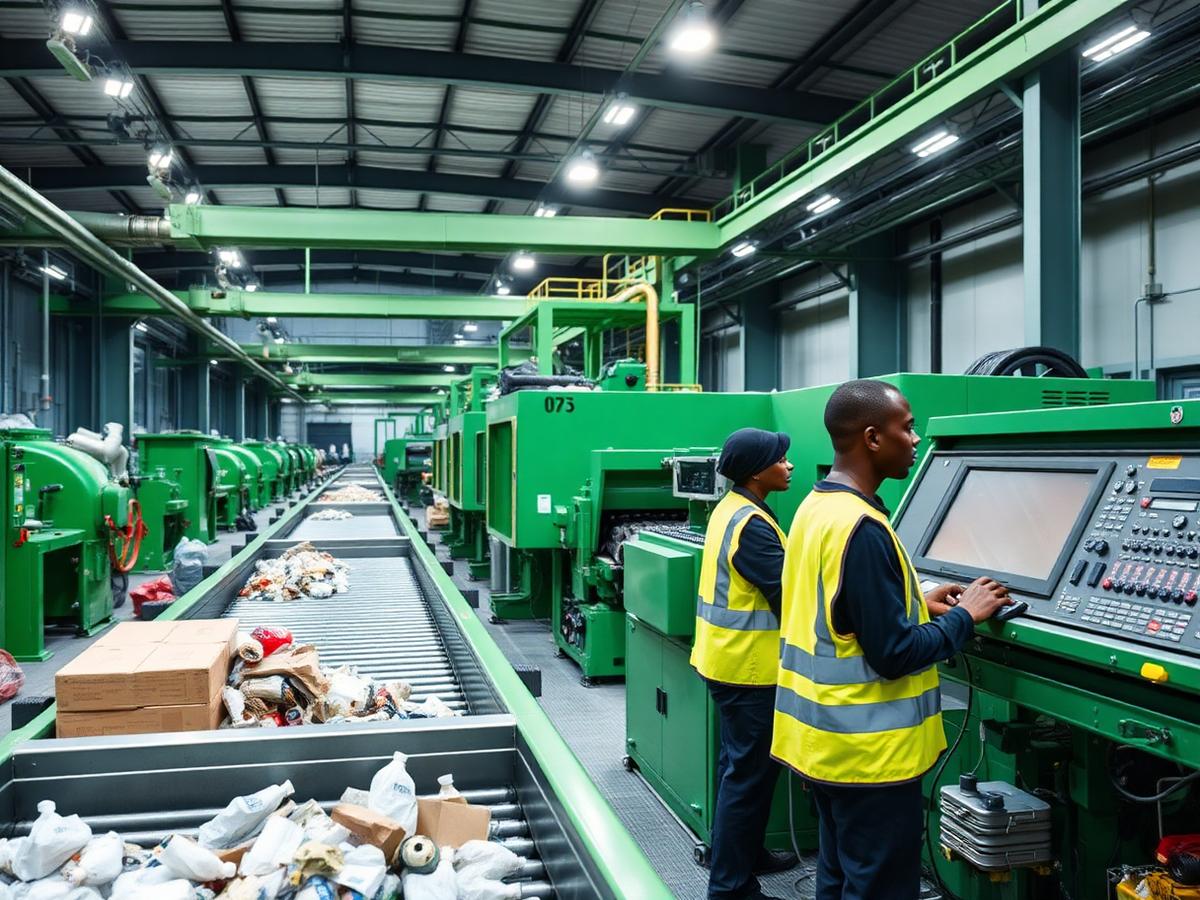
Municipal and industrial waste streams that can be converted into energy and secondary feedstock where processing capacity is developed.

Serviced industrial facilities available for precision engineering, automation and higher-specification production lines.
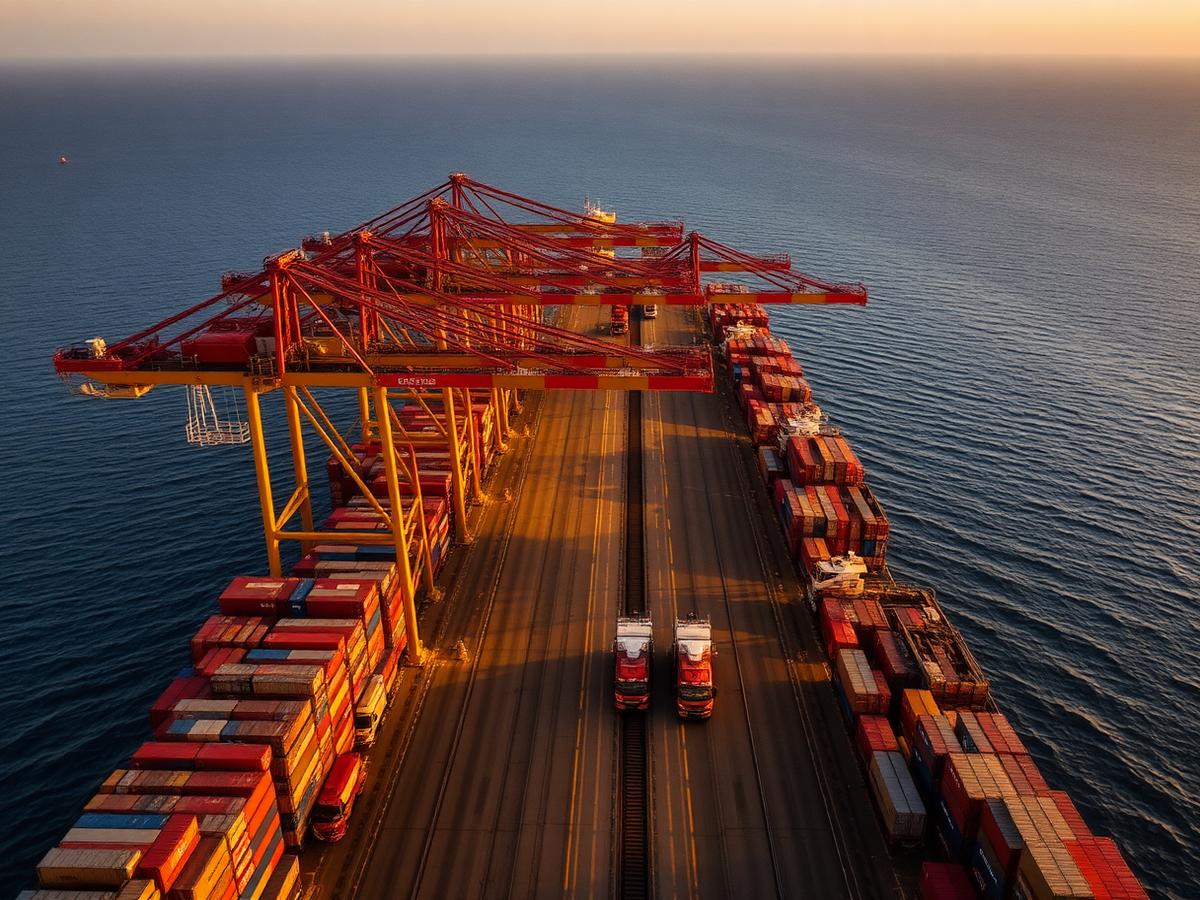
Zones positioned on the Durban, Walvis Bay and Beira corridors, where road, rail and port capacity determine export competitiveness.
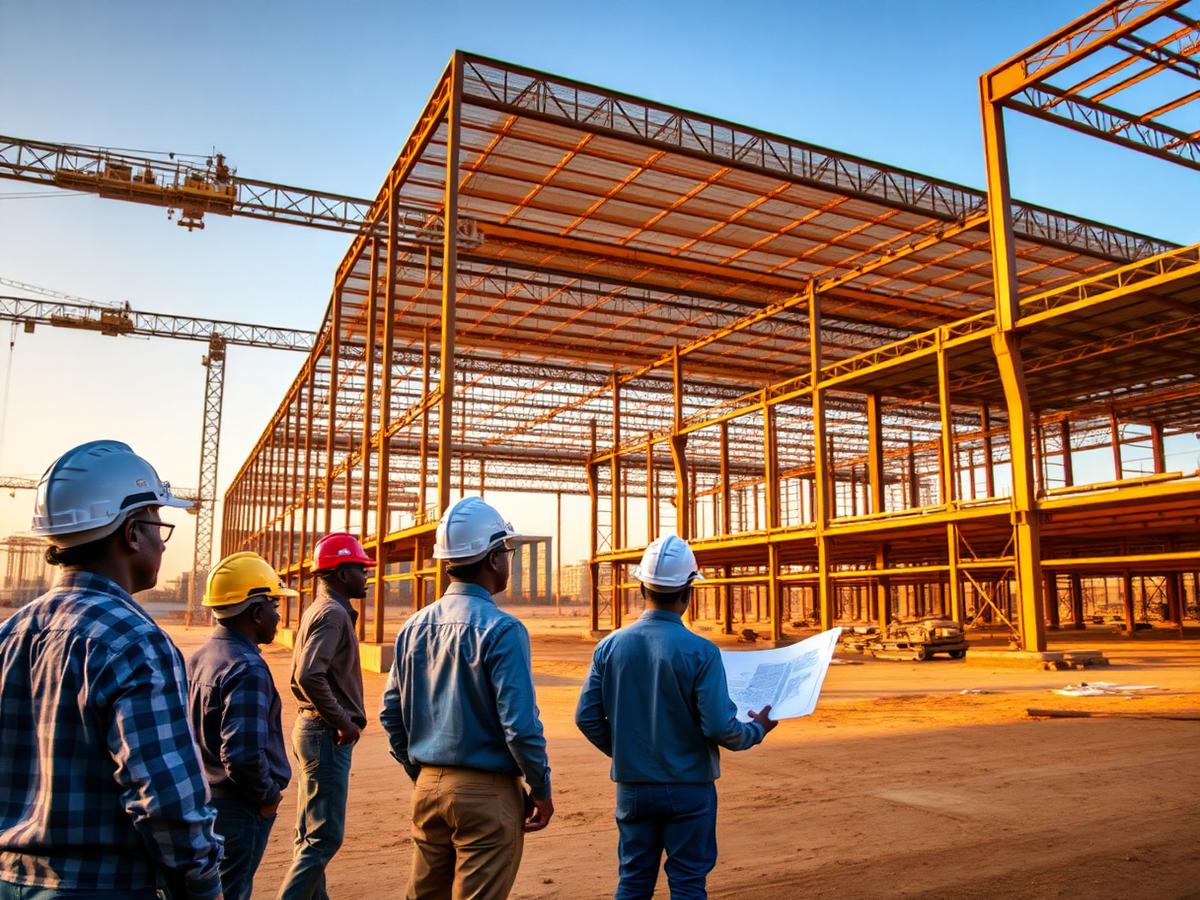
Zone development programmes that create early demand for local contractors, materials suppliers and small enterprises.

Service-based operations with shorter establishment timelines and lower capital requirements than heavy industrial investment.
Project pipeline
Projects are listed with their sector, jurisdiction and stage. Further detail is provided to members and to investors under a stated mandate.
Zone authorities and developers can submit a project for consideration. Listings are reviewed before publication.
Submit a projectInvestors indicating sector, mandate size and preferred jurisdictions are matched to the zones and projects that meet those parameters.
Register your mandateCorridors
Zambian copper, Congolese cobalt and Botswanan manganese processed within the region, supporting cell manufacturing in the interior and vehicle assembly in the south.
Namibian and Western Cape renewable generation feeding hydrogen and ammonia production linked to established port capacity on the Atlantic.
Zones planned so that the by-products of one operation serve as input material for the next, reducing disposal cost and import dependence.