Zone information
The special economic zone framework
A special economic zone is a geographically designated area set aside for targeted economic activity. In South Africa, the Special Economic Zones Act No. 16 of 2014 defines four categories of zone and the incentive framework attached to them.
The regional picture
Sixteen member states, one industrial market
The Southern African Development Community operates as a single industrial market for the purposes of zone development: shared corridors, harmonising customs procedures, and a growing body of common standards.
Zone regimes established country by country
Each member state legislates its own zone regime. Designation, licensing and incentive administration differ, and understanding those differences is the first requirement of any credible regional investment case.
62 designated and operating zones
Zones range from deep-water port complexes and automotive supplier parks to agro-processing hubs and digital services campuses, each with its own serviced land, utilities and customs status.
Zones connected by established freight corridors
Road corridors — North–South, Maputo, Trans-Kalahari, Trans-Caprivi, Beira and Trans-Cunene — carry containerised and break-bulk freight between inland zones and the coast. Rail corridors, shown in green, include TAZARA to Dar es Salaam, the Lobito Atlantic Railway to the Angolan coast, the Nacala line from Moatize, the Natal heavy-haul route to Durban and Richards Bay, and the Sishen–Saldanha ore line.
Long-haul lanes to Europe, Asia, the Gulf and the Americas
Sea lanes, in blue, run east across the Indian Ocean to Singapore, Shanghai and Japan; north through the Somali Basin to the Gulf and India; up to Suez for Rotterdam and the Mediterranean; and west from the Cape and Walvis Bay to Northern Europe and the Americas. Air freight lanes, in pale gold, carry time-sensitive cargo from OR Tambo and Cape Town to European hubs, to Dubai and Doha for onward Asian connections, and on feeder services to Mauritius, Seychelles and Madagascar.
The zone map
The zone network at a regional level
Filter the network by sector and select any zone to view its location, primary focus sectors and stage of development.
Where a site meets your requirement
The association can arrange an introduction to the zone authority responsible for any site on the map, and provide comparable information on premises, bulk services, approvals and corridor access.
Request an introductionIndustrial Development Zone
A purpose-built industrial estate that leverages domestic and foreign fixed direct investment in value-added, export-oriented manufacturing industries and services.
Free Port
A duty-free area adjacent to a port of entry, where imported goods may be unloaded for value-adding activities such as storage, repackaging or processing, subject to customs import procedures.
Free Trade Zone
A duty-free area offering storage and distribution facilities for value-adding activities within the zone, for subsequent export.
Sector Development Zone
A zone focused on a specific sector or industry, through general or specific industrial infrastructure, incentives, and technical and business services aimed primarily at the export market.
Zones in the region
A selection of designated and operating zones. Indicative investment bands and infrastructure notes are held in a single data module and are replaced as figures are verified with the responsible zone authority.
 South Africa
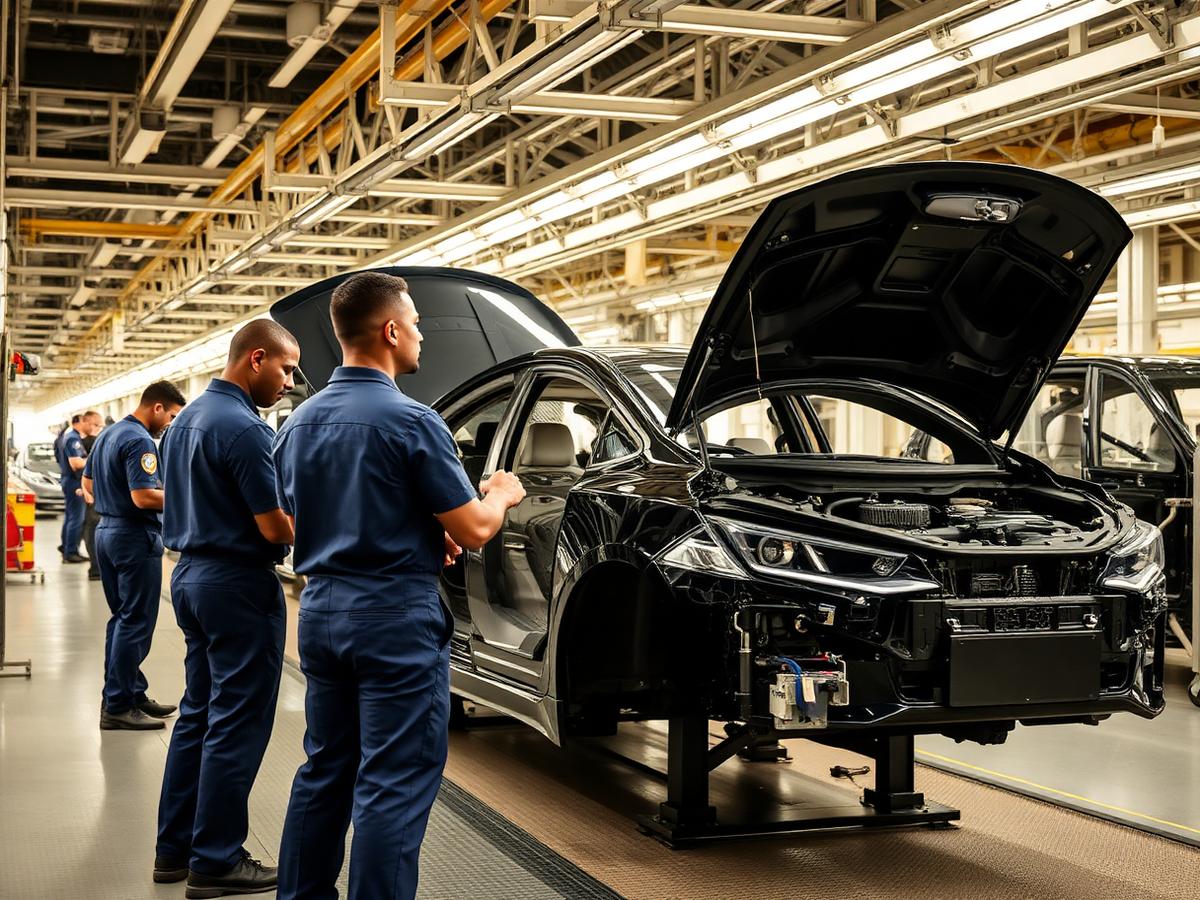
Coega SEZ
SEZ · Operational
Africa's largest SEZ, anchored on the Port of Ngqura deep-water terminal.
$500m – $1bn
 South Africa
Richards Bay IDZ
IDZ · Operational
Mineral beneficiation and bulk export zone on the KwaZulu-Natal coast.
Above $1bn
 South Africa
Dube TradePort SEZ
SEZ · Operational
Aerotropolis linking air cargo, agri-processing and electronics assembly.
$100m – $500m
 South Africa
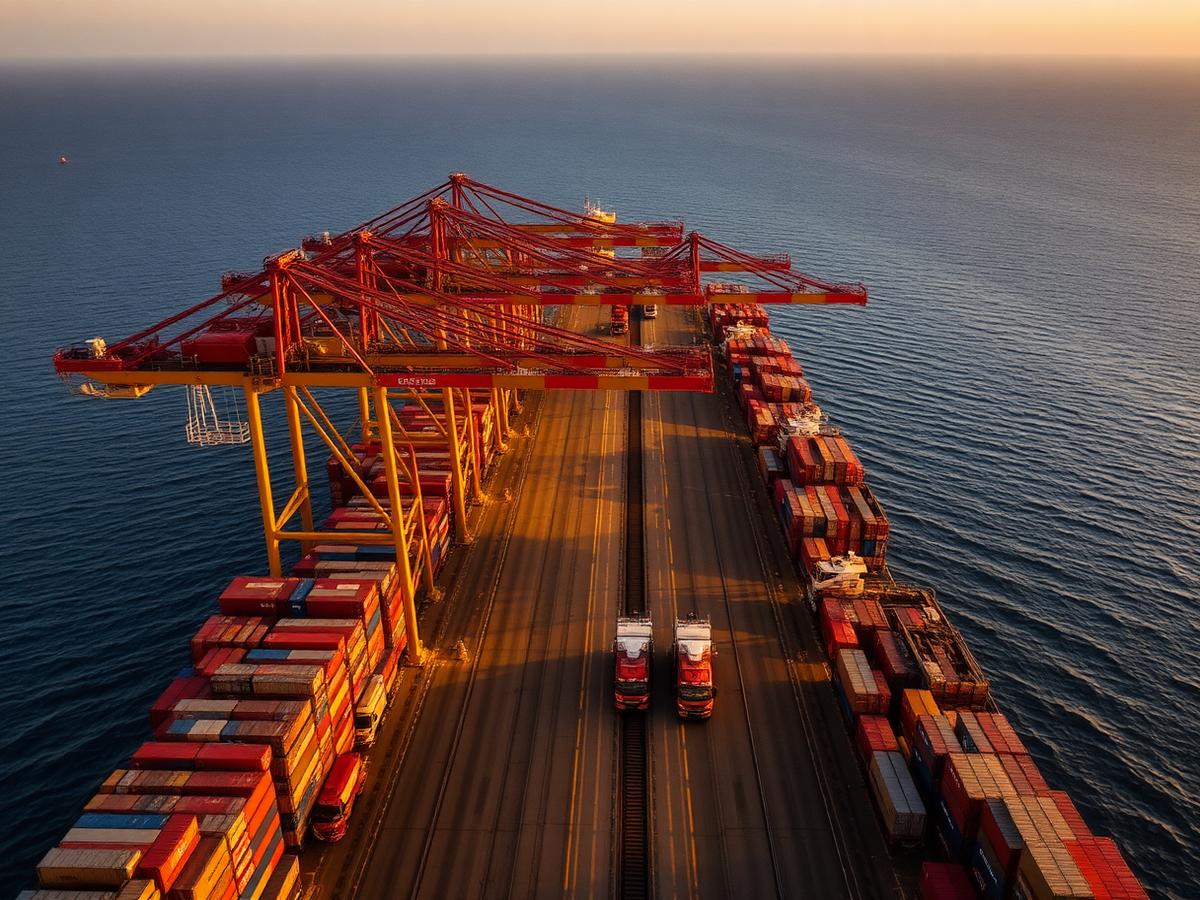
East London IDZ
IDZ · Operational
Automotive supplier park serving Eastern Cape vehicle assembly.
$100m – $500m
 South Africa
Saldanha Bay IDZ
IDZ · Operational
Marine, oil & gas and emerging green hydrogen services hub.
Above $1bn
 South Africa
Atlantis SEZ
SEZ · Operational
Greentech manufacturing zone for renewables componentry.
$100m – $500m
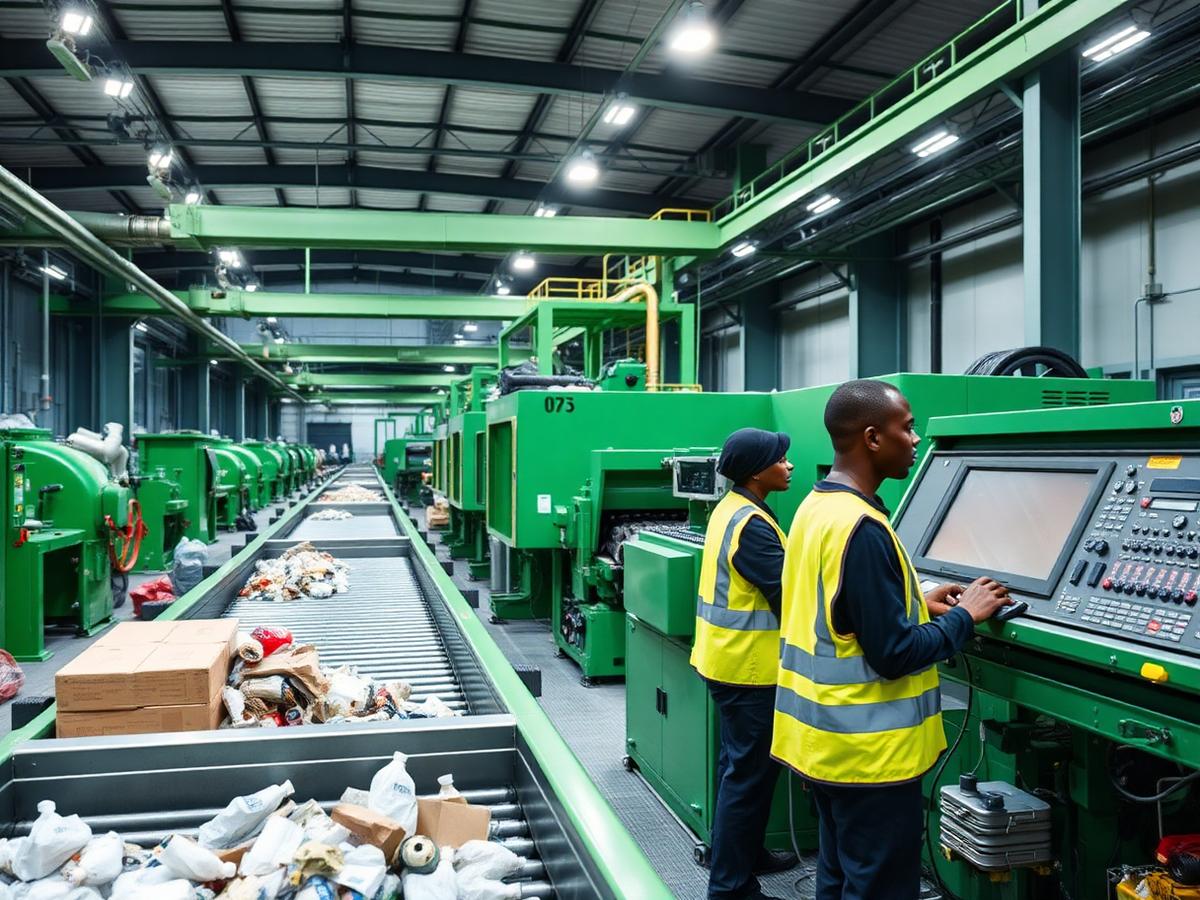 South Africa
Musina-Makhado SEZ
SEZ · Under development
Energy and metallurgical cluster on the Limpopo border corridor.
Above $1bn
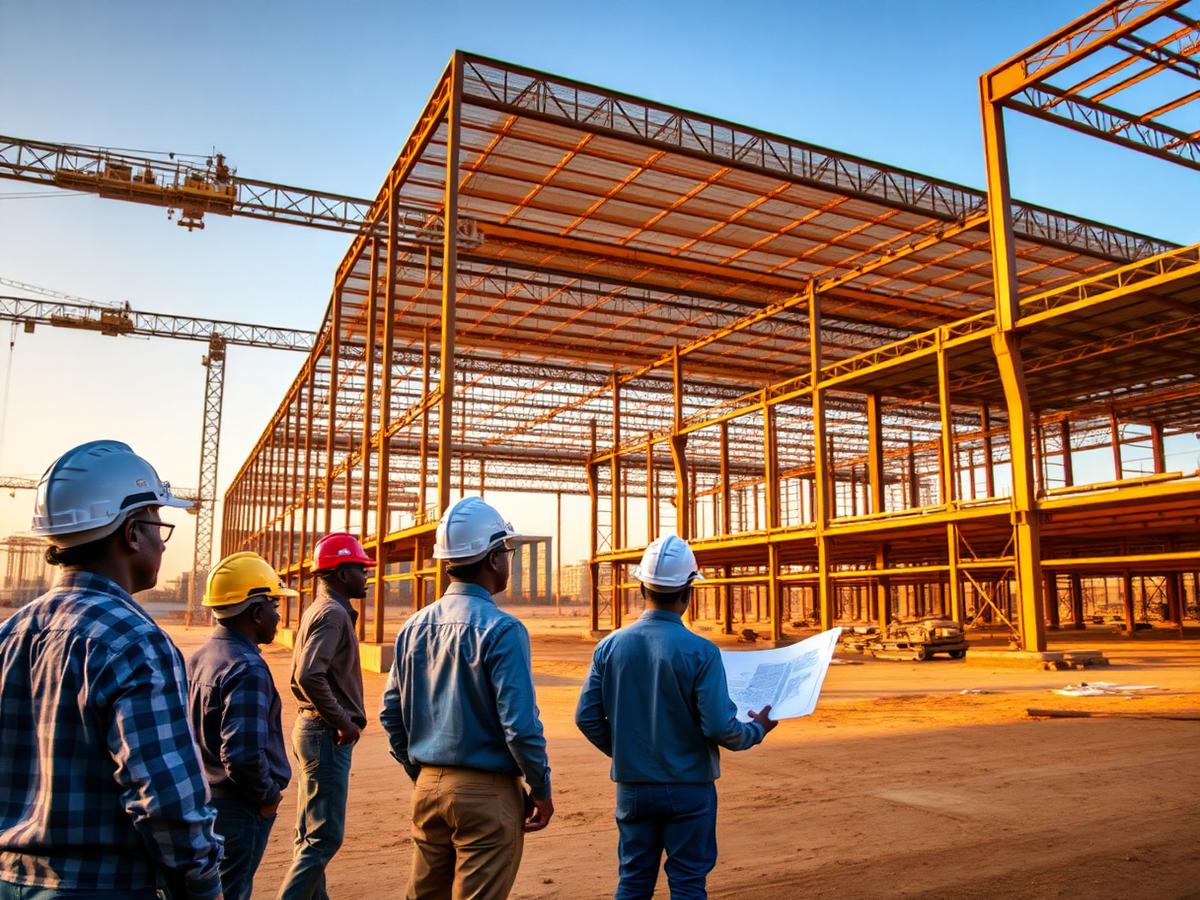 South Africa
OR Tambo SEZ
SEZ · Operational
High-value light manufacturing and beneficiation of precious metals.
$100m – $500m
South AfricaTshwane Automotive SEZ
SEZ · Operational
Component supplier park adjacent to a major vehicle assembly plant.
Above $1bn
South AfricaMaluti-A-Phofung SEZ
SEZ · Operational
Inland logistics gateway on the N3 Durban-Gauteng corridor.
Under $100m
South AfricaNkomazi SEZ
SEZ · Under development
Cross-border agri-logistics zone at the Mozambique frontier.
$500m – $1bn
South AfricaBojanala SEZ
SEZ · Designated
Platinum-group-metals beneficiation and hydrogen fuel-cell focus.
$100m – $500m
Benefits of operating within a zone
Preferential 15% corporate tax
Qualifying businesses located in a designated zone may be eligible for a reduced corporate income tax rate, against the standard national rate, subject to the SEZ Act and the Income Tax Act, 1962.
Building allowance
Businesses and operators within a zone may claim accelerated depreciation on new and improved buildings, subject to the requirements of the Income Tax Act.
Employment tax incentive
Operators may reduce their PAYE liability for qualifying employees under the Employment Tax Incentive Act, 2013.
Customs controlled area
Businesses located inside a customs controlled area qualify for VAT and duty relief under the VAT Act, the Customs and Excise Act and the Customs Duty and Customs Control Acts.
12I tax allowance
Support for greenfield industrial projects using new manufacturing assets, and for brownfield expansions or upgrades, covering both capital investment and training.
One-stop shop services
The Act provides for a single point through which government services are delivered inside the zone, from registration and permitting to customs facilitation.
Source: Department of Trade, Industry and Competition (the dtic), Special Economic Zones programme. Qualifying criteria are set out in the SEZ Act, the Income Tax Act, 1962, the Employment Tax Incentive Act, 2013 and the Customs and Excise Act, 1964.
Performance
The numbers behind the programme
R24.2bn
Total public investment in the South African zone programme, 2016 to 2024
30,072
Direct jobs recorded across the zones by 2024, from 4,863 under the IDZ programme in 2012
R3.1bn
Paid to host municipalities in rates since inception, including R609 million in 2024
2024
First year in which programme revenue exceeded expenditure, a surplus of R510 million
Source: World Bank, Special Economic Zones in South Africa – Policy Review (2026), prepared with the dtic. Intermediate years in the employment series are interpolated between reported figures.
Join the association